How to Increase Sales and Grow Your Business Using Food Carts in 2026
How To Turn Food Carts Into Real Growth Engines For Your Business In 2026
In many cities, hospitality is shifting away from opening big restaurants on expensive corners. Now, it’s about small, eye-catching carts that appear in busy plazas at lunchtime or on the beach at sunset. Mobile food carts and bikes have become useful for cafés, hotels, ice cream shops, caterers, and even non-food businesses that want to boost sales, test new ideas quickly, and create memorable experiences. At BizzOnWheels, we’ve seen this change up close. Both large brands and small businesses are asking how they can use custom food carts and mobile retail to grow, without committing to long leases.
Now is a great time to get into mobile food. Recent reports say the global food truck market is about USD 5–6 billion in 2024 and is expected to grow 6–7% each year for the next decade. This growth comes from younger customers who want flexible, unique dining instead of traditional restaurants. In the US, the food truck industry is already worth over a billion dollars, with Toast reporting a USD 1.8 billion market in 2024 and more growth ahead. Research shows people choose food trucks and carts for good food, a relaxed atmosphere, and novelty not just because they are cheaper. For operators, this means price isn’t the only thing that matters. Being visible, convenient, and memorable is just as important.
One big advantage is how the investment works. Opening a restaurant means signing a long lease, spending a lot on renovations, and waiting months for permits before you can serve your first coffee. In contrast, a BizzOnWheels cart usually costs from a few hundred to a few thousand euros, depending on your needs, and can start earning money as soon as you set it up. If you put your cart in a busy spot, like a corporate campus at lunch or a riverside in the evening, it can often pay for itself in just a few months, especially if you sell high-margin items like espresso, gelato, or gourmet street food. For bigger brands, the same cart is flexible: one week it’s a mobile shop outside your main store, the next it’s at a festival or a pop-up for partners.

Versatility is another key benefit. Today’s commercial food carts are more than simple market stalls. They are compact kitchens and bars built to handle real equipment. BizzOnWheels carts can carry espresso machines, grinders, crepe plates, freezers, fridges, juice presses, and display chillers, all while staying safe and balanced. You can set them up as push carts for malls and terraces or as bike-towed units for streets and parks, making it easy to switch between indoor and outdoor sales. This flexibility is driving street vending innovation in 2026. The same cart can serve specialty coffee in winter, lemonade and smoothies in summer, or even become a nail bar or perfume stand during a brand campaign.

Day-to-day operations are also easier thanks to advances in e-mobility. Carts need to be easy to move, but heavier ones with grills or big fridges can be tough to push over long distances or up hills. BizzOnWheels now offers a mobility system with integrated brakes for ebikes traction, to make moving carts less physically demanding. This is not just about comfort. It means more people can run a cart with an ebike, there’s less risk of injury, and it’s possible to work in several locations in one day without tiring out the team. If you want to promote your business as eco-friendly, using an electric cart with a cargo bike instead of a van also adds a clear sustainability angle. With a BizzOnWheels Street Food Cart M/L/XL, one business turned an underused corner of a local mall into a second point of sale and started appearing at community events on weekends. Instead of committing to a second lease, they used mobile merchandising to follow demand as it changes during the day and season. In Copenhagen, Kødbyens Is uses a branded gelato cart to bring its Italian-inspired, Nordic-style ice cream into busy neighborhoods and onto the event circuit. The cart has become both a revenue stream and a moving billboard for the brand’s look. These are not fringe experiments. They are practical examples of how cafés, bakeries, and ice cream makers can reach more people with modest capital by treating the city as a flexible retail grid instead of a fixed map of storefronts.

Catering is another strong way to grow, and mobile carts make it much easier. Industry reports show that off-premise catering is one of the fastest growing parts of food service, as people look for unique, self-contained food options for events. In Romania, Prăvălia Lu’ Mihai, a gourmet burger bistro, wanted to serve burgers at fairs and private parties without building a second kitchen. Their solution was a Grill & Burger Cart XL that fits in a van but still has space for a full grill and storage. Now, the cart is the center of their event business, making weekends and festival seasons much more profitable. In Ireland, Outright Promotions uses two branded BizzOnWheels coffee carts to serve café quality espresso at corporate events and community gatherings. Instead of using folding tables and rented machines, clients get a polished, high-end setup that looks great in photos and on social media. For caterers and agencies, it’s simple: one cart can handle many different events.Food carts work especially well as add-ons to existing businesses, not just as stand-alone ventures. For example, Ku De Ta, a riverside lounge, used a Grill & Burger Cart XL to turn a decorative terrace into a busy spot, selling hundreds of hot dogs and burgers on opening weekend. On the Romanian coast, Fratelli, a beach club, set up a crepe cart and a gelato cart right on the sand so guests could order dessert without leaving their sunbeds. At the Louvre Abu Dhabi, a BizzOnWheels coffee cart serves as a stylish refreshment corner, showing that food carts can fit in museums, galleries, and other cultural spaces that need flexible, low-impact service. In all these cases, instead of building new spaces, businesses use mobile carts to make the most of terraces, gardens, and unused corners.

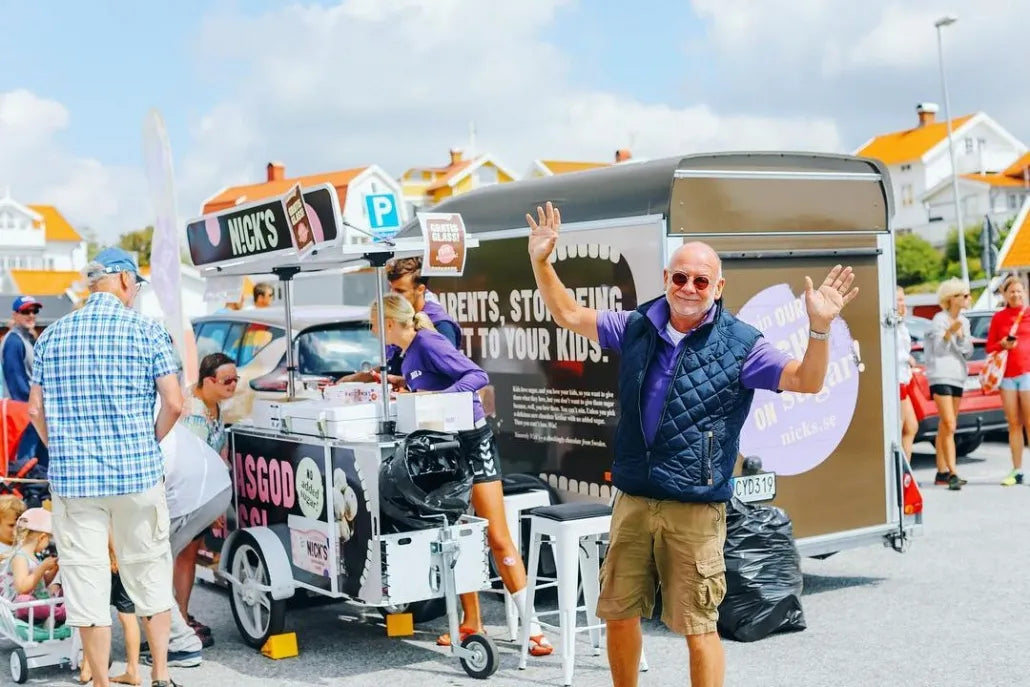
Carts are also great for sampling, advertising, and creating memorable experiences. Research on food trucks shows that taste, enjoyment, and the overall feeling of the visit are big reasons people come back, even if they have concerns about hygiene or the environment. Coffee brands like Lavazza and Espresso have used BizzOnWheels carts in Denmark to meet customers on the street and at events, give out samples, share their stories, and make their products stand out. For these brands, the cart acts as a mobile stage, creating many small, memorable moments that work better than a regular billboard.
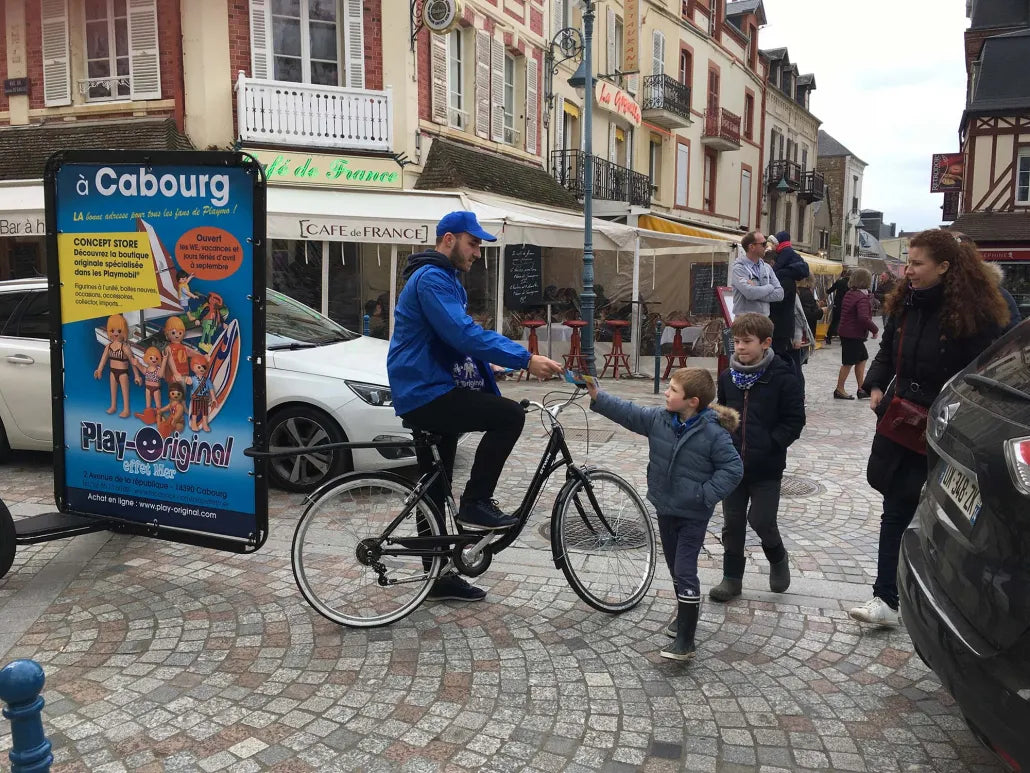
Some of the most creative uses come from non-food brands that know how powerful a treat can be. For the Daisy Love fragrance launch in Denmark, Marc Jacobs’ agency turned a Vending Cart into a cotton candy stand, decorated with daisies and filled with the scent of spun sugar to match the perfume’s theme. Visitors lined up for free cotton candy, took photos, and got a feel for the brand’s playful, romantic style. In France, the car service chain Speedy used a BizzOnWheels cart as a mobile manicure bar, giving free nail treatments while customers waited for their cars. What could have been boring wait time became a thoughtful experience, shared on social media and remembered long after. These examples show that with the right setup, a “food” cart can easily become an experience cart, offering whatever best tells your brand’s story.

Once you have your cart, the next step is to make the most of every hour. The first way is to increase how many orders you serve. Food truck guides say that simple menus, good prep, and clear workflows help you serve more customers each hour. The same goes for carts: set up the workspace so staff don’t get in each other’s way, break tasks into steps so each order takes about a minute during busy times, and use standard recipes to keep things moving. The second way is to increase the average sale. Small upsells, bigger drink sizes, and bundles like “coffee and pastry” or “burger, fries, and drink” work well for carts too. Even a small boost in what each guest spends can have as much impact as bringing in lots of new customers.
Technology is now at the heart of running a successful cart. Cloud-based POS systems for mobile businesses make checkout fast, accept cards and contactless payments, and give you real-time sales and inventory info on a tablet or phone. Food truck guides now say that a modern POS is a must-have, not a luxury. In places like the UK, where over 94% of in-store card payments were contactless in 2024, tap-to-pay is now expected. For cart operators, taking mobile wallets and contactless cards isn’t just convenient. It’s essential for not missing sales. Visual design and social media also work together. A well-designed cart and clear menu attract people in person, while regular updates, behind-the-scenes posts, and customer photos on Instagram or TikTok help people find you again. Recent guides say that simply posting your location, today’s special, and a few personal moments can really boost foot traffic. Add in friendly, well-trained staff, since research shows that friendliness and a good image matter a lot to younger customers, and the winning formula is simple: a great-looking cart, good food, quick service, and kind people.

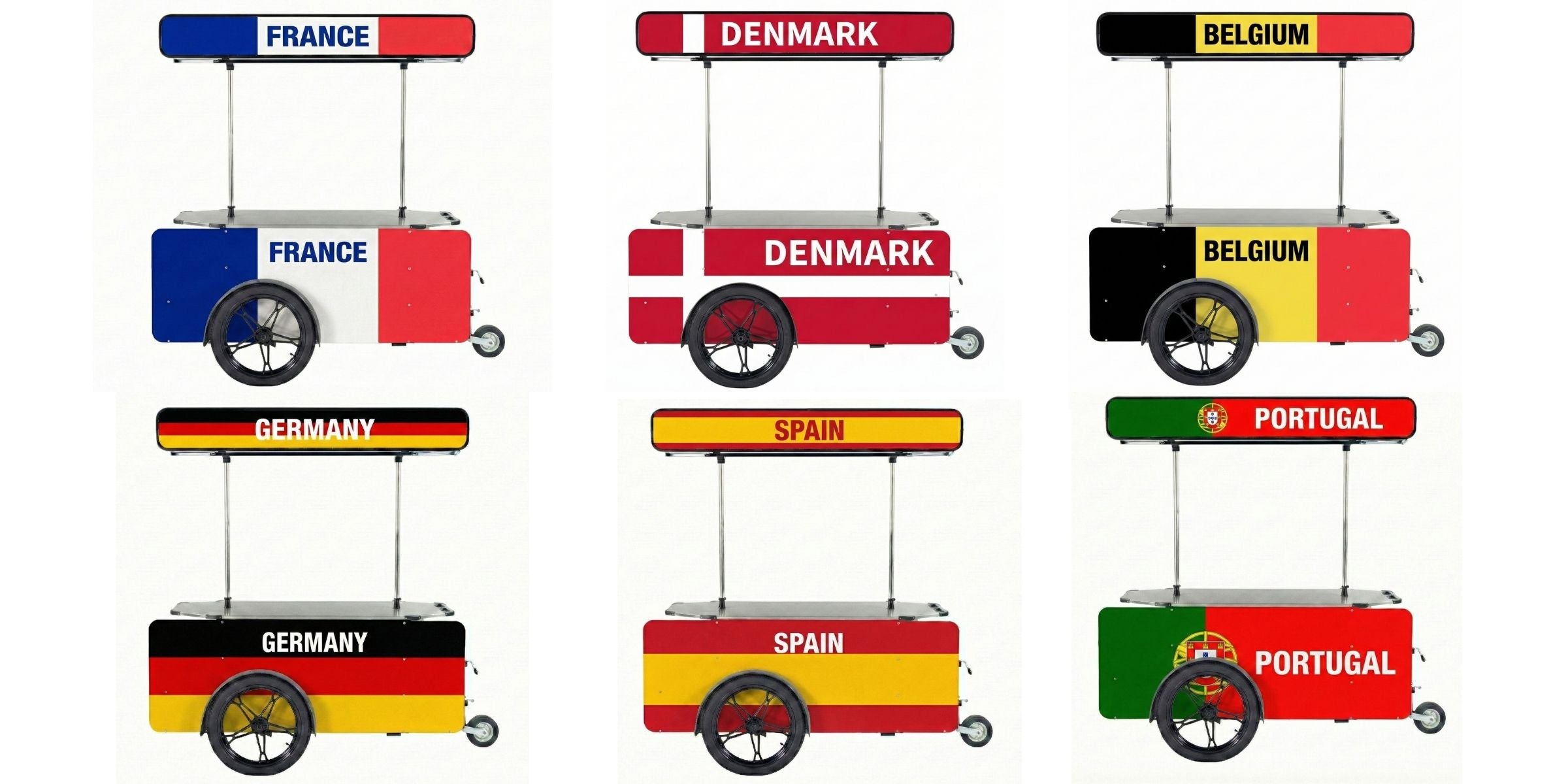
Choosing the right BizzOnWheels cart depends on your goals and situation. Compact M-size carts fit easily into malls, lobbies, and small indoor spaces, making them perfect for testing new ideas like coffee, gelato, or juice without a big commitment. L-size carts are a good fit for most people, offering a balance of workspace, storage, and mobility for daily street sales and events. XL carts have more room for equipment, making them ideal for grills, burgers, or larger menus and for serious catering. All these carts can be set up as push or bike towed units, so you can work in a mall during the week and go to festivals on the weekend. After that, a simple ninety-day plan two weeks to plan your concept and locations, two weeks to set up and brand the cart, a month to test and learn, and a final month to fine-tune and reach out to partners can turn your idea into steady income. The entrepreneurs in this article didn’t wait for perfect conditions. They picked a cart, chose a spot, and got started. In 2026, that could be the best way to grow your business on wheels.

References
https://pos.toasttab.com/blog/on-the-line/food-truck-industry-trends-and-statistics
https://www.grandviewresearch.com/industry-analysis/food-trucks-market-report
https://www.gminsights.com/industry-analysis/food-truck-market
https://www.futuremarketinsights.com/reports/food-truck-market
https://www.mordorintelligence.com/industry-reports/food-truck-market
https://www.mordorintelligence.com/industry-reports/united-states-food-truck-market
https://www.researchgate.net/publication/370059287_The_rise_of_the_food_truck_phenomenon_an_integrated_model_of_consumers%27_intentions_to_visit_food_trucks
https://assumptionjournal.au.edu/index.php/abacjournal/article/download/8706/4194
https://www.researchgate.net/publication/321328002_Consumer_Attitude_and_Visit_Intention_toward_Food-Trucks_Targeting_Millennials
https://www.tabin.co.nz/post/why-mobile-pos-solutions-are-essential-for-modern-food-trucks
https://uk.clover.com/insights/pos-food-truck-benefits/
https://getquantic.com/pos-system-for-food-trucks/
https://squareup.com/au/en/the-bottom-line/selling-anywhere/cloud-pos
https://home.barclays/news/press-releases/2025/04/barclays-data-shows-contactless-spending-broke-new-record-in-202/
https://www.rapyd.net/blog/uk-payments-guide/
https://www.paymentscardsandmobile.com/uk-contactless-payments-surge-to-record-high-in-2024/
https://www.fliprogram.com/u/2024/03/04111254/FLIP_Outlook_Report_March_2024.pdf
https://strattz.com/social-media-marketing-for-food-trucks-a-complete-guide/
https://www.mr-trailers.com/social-media/
https://pos.toasttab.com/blog/on-the-line/food-truck-social-media
https://www.entrustmarketingwa.com/mastering-social-media-for-food-trucks