Advertising In Impossible Places: The Rise Of AdBicy And The New Era Of Mobile Billboards
With digital ads everywhere online, it’s easy to forget the value of real-world attention on sidewalks, in plazas, at festival entrances, and along café-lined streets. Out-of-home advertising is making a strong comeback: global OOH revenues reached $9.1 billion in 2024, the highest level on record, as brands recognize the power of physical presence in a world tired of screens. OAAA Traditional billboards, which are static and placed far from people, were never designed for close connections. Mobile billboards especially bike-based AdBikes like the AdBicy promobike from BizzOnWheels are changing how brands reach people where they actually spend their time.

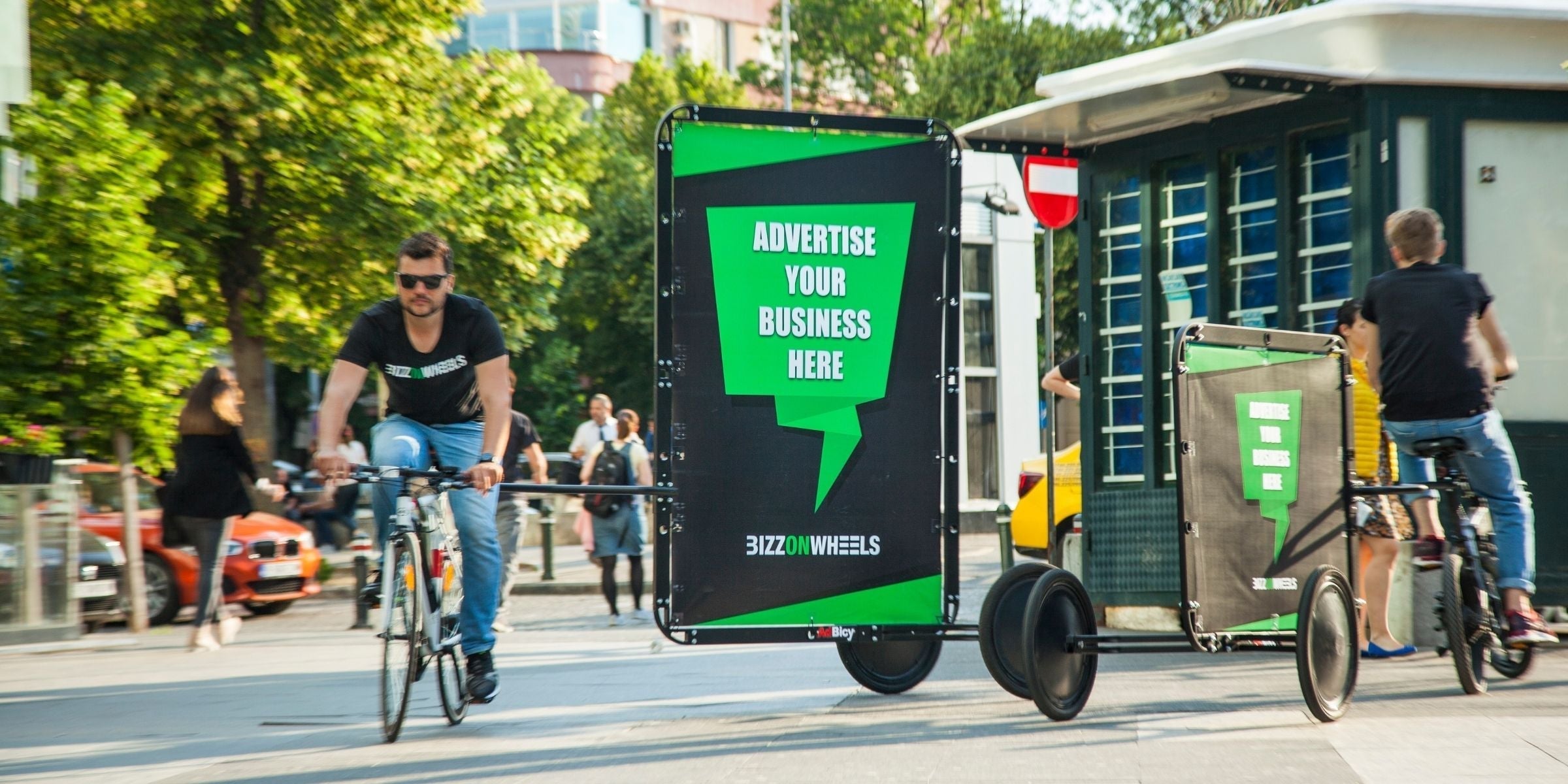
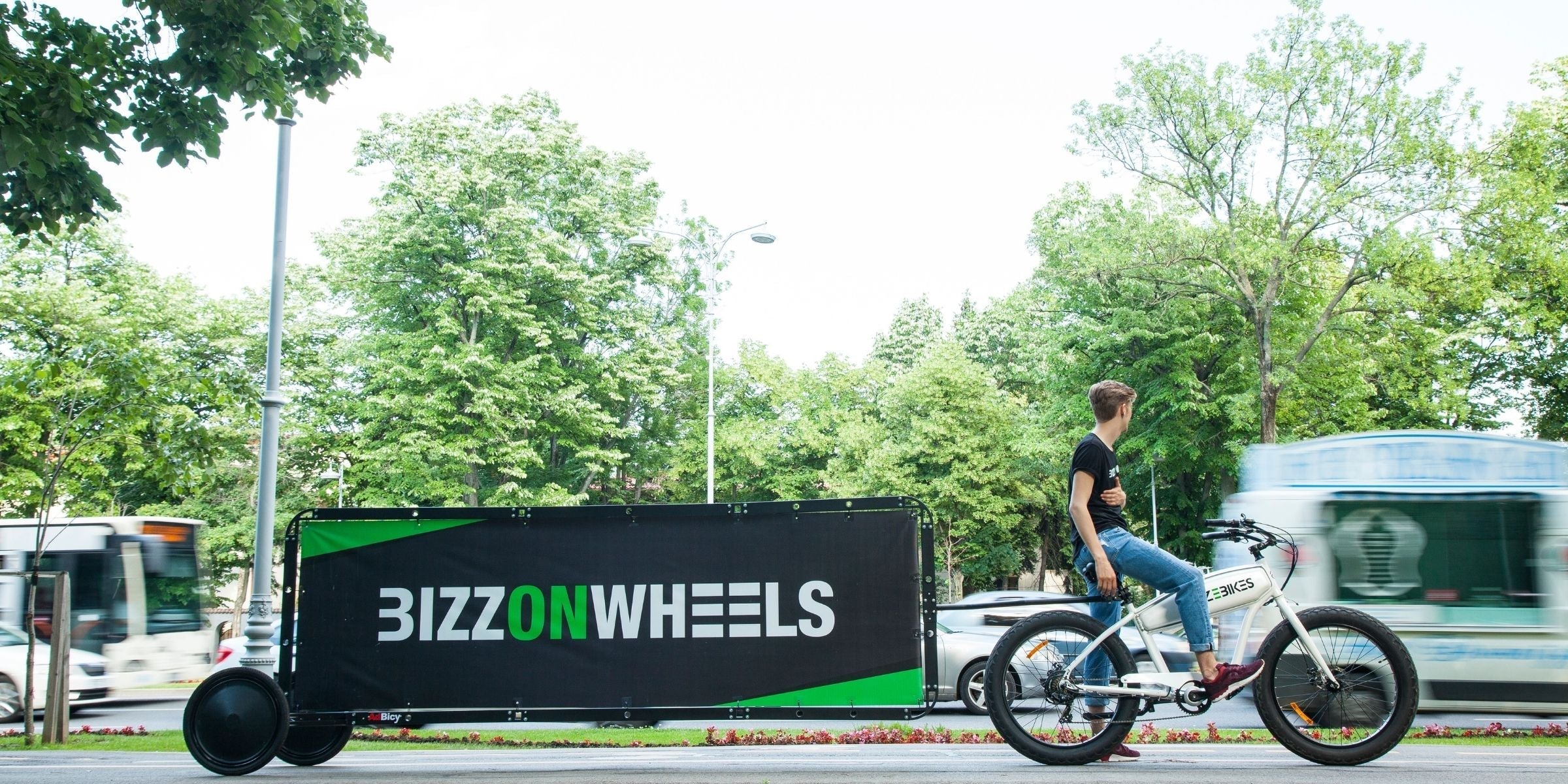
The big picture is clear: digital out-of-home (DOOH) is one of the fastest-growing areas in advertising, with the global market estimated at $21–22 billion in 2024 and expected to double (or more) by the early 2030s. Grand View Research+1 Cities are adding screens in transit hubs, malls, and street furniture, and places from Cairo to Los Angeles are filled with roadside signs competing for a commuter’s attention. Reuters These large billboards may reach many people, but they often feel distant and less relevant. Mobile billboards on push bikes, pedicabs, or compact adbikes take a different approach. They focus on precise placement and real human closeness. With a wheel track of about 80 centimeters, these bikes can move through pedestrian zones, markets, promenades, and festival grounds that cars and traditional ad trucks can’t access. That slim profile is more than smart engineering; it’s a media strategy. In bike-friendly cities like Amsterdam and Tokyo, advertisers have already used bicycle billboards to move through crowded urban centers, matching their messages to the flow of real people rather than just traffic. Medium+1 For BizzOnWheels, the AdBicy isn’t only a mobile billboard it’s a platform for experiential marketing, turning every city corner into a potential touchpoint.

What sets AdBicy and similar AdBikes apart isn’t just that they move, but how they move. Research on location-based marketing shows that real-time, local presence can boost foot traffic and sales for local businesses, because the message reaches people in the right place at the right time. ResearchGate+1 Marketing guides from Salesforce and others increasingly highlight the importance of proximity to customers and community-based strategies, rather than simply chasing online impressions. A promobike that can enter a pedestrian plaza or stop outside a busy co-working space puts this idea into practice, making location a creative tool instead of a limitation.
Think about the neighborhood pizzeria a classic example of a small business competing with delivery apps and big chains. Restaurant consultants say that location, visibility, and local traffic can determine whether a dining room is full or empty. AdBicy helps the pizzeria stand out beyond its storefront. On a warm Thursday evening, the bike billboard can circulate between the local park and community center, showing appetizing images of wood-fired pizza and special offers. As the promobike passes families, dog walkers, and basketball courts, staff can hand out coupons or QR codes for online orders. In this way, the pizzeria turns a simple “We’re Open” campaign into a moving local experience that connects with people right where they live.

The same approach works when a full-service restaurant launches a new seasonal menu. Experiential marketing data is clear: about 77% of marketers say events are their best channel, and up to 85% of consumers are more likely to buy after a brand experience. Imagine an AdBicy mobile billboard with a sampling team at a weekend food market. One side of the bike shows striking images of new dishes, while the other features a menu preview and a special offer. Staff hand out tasting samples and reservation cards, using the AdBicy as a visual centerpiece. Instead of waiting for diners to find them online, the restaurant becomes part of the city’s food scene turning an ad into something people can taste, photograph, and share.
For cafés, the morning commute is both a challenge and an opportunity. Transit hubs bring together busy, coffee-seeking crowds, but traditional billboards often go unnoticed. Research on location-based marketing shows that offers made as people pass a store can lead to much higher conversion rates than generic ads. Placing an AdBicy promobike at a subway entrance between 7:30 and 9:30 a.m., with clear messages about espresso deals and quick breakfasts, turns those moments into invitations. A barista beside the bike offering samples or loyalty sign-ups can make a routine commute memorable. Over time, the café becomes more than just another name in a delivery app it becomes a place commuters feel they “discovered” themselves.

Travel agencies face a different challenge: they sell imagination, not pizza. Experiential marketing can be even more effective here. Surveys in the UK and elsewhere show that over 70% of consumers feel more connected to a company after live brand experiences, and most say these moments are more memorable than regular ads. An AdBicy campaign in a shopping mall or on a university campus can draw people into the story of a destination before they even think about booking. Large, dramatic images turquoise beaches, lantern-lit streets, or mountain views cover the bike, while a promoter invites people to spin a prize wheel, take a brochure, or scan a QR code for a custom itinerary. The mobile billboard becomes a moving source of inspiration, reaching people where they’re already dreaming about travel.
All these examples share one key idea: relevance matters more than reach. Out-of-home advertising is growing, but the most successful brands are the ones that make their campaigns feel like a natural part of the environment not just an interruption. Bike-based mobile billboards meet this need in several ways. They’re approachable—people can walk up, ask questions, or take photos. They’re flexible, with routes that can change in real time based on events, weather, or social media trends. And they’re perceived as a “greener” option than diesel ad trucks, aligning with the sustainability goals many brands now have.
Measuring results once a weak spot for OOH is improving with new technology. The same location analytics used in advanced proximity marketing can now track mobile billboard routes, linking campaign days to store visits, voucher use, or spikes in local web traffic. A promobike like AdBicy can use GPS, QR codes, and short URLs to track engagement and meet the measurement needs of today’s marketing leaders. For BizzOnWheels and its clients, this means adbikes are no longer just a “bonus” at events. They are now measurable media tools that can be compared with digital campaigns by cost per engaged view.
In this context, AdBicy isn’t just a “quirky” street tool. It represents the future of urban advertising. As cities set stricter rules for billboards and people push back against visual clutter, brands are moving toward ads that fit better into daily life. Reuters+1 A narrow bike billboard that can enter car-free areas, move quickly between busy hotspots, and serve as a platform for live marketing is perfectly suited to this shift. For businesses like pizzerias, restaurants, cafés, or travel agencies, AdBicy offers something traditional ads can’t: the chance to advertise in hard-to-reach places with messages that feel natural there. For BizzOnWheels, it shows that mobility is more than just moving around it’s a real advantage in earning people’s attention.
References Section
1. https://oaaa.org/news/out-of-home-advertising-revenue-surpasses-9-billion-highest-revenue-volume-to-date/
2. https://www.grandviewresearch.com/industry-analysis/digital-out-of-home-advertising-market-report
3. https://www.imarcgroup.com/digital-ooh-market
4. https://www.reuters.com/business/media-telecom/egypts-billboard-boom-strains-eyes-raises-profits-2025-09-18/
5. https://medium.com/%40CharlesTremlett/unlocking-the-potential-of-bicycle-billboards-a-creative-approach-to-bike-advertising-2209a85ab981
6. https://blackravenmedia.com/push-bikes/
7. https://www.researchgate.net/publication/388594419_Effectiveness_of_Location-Based_Marketing_for_Local_Businesses
8. https://www.salesforce.com/marketing/local-marketing/
9. https://www.teamtecna.com/news-and-resources/experiential-marketing-statistics/
10. https://www.limelightplatform.com/blog/experiential-marketing-statistics
11. https://pearllemonexperiences.com/experiential-marketing-effectiveness/
12. https://trafficradius.com.au/local-search-in-2025-changes-the-game/