Why Leaflets Still Matter In A Digital World – When They Travel With Brand Ambassadors And Mobile Billboards
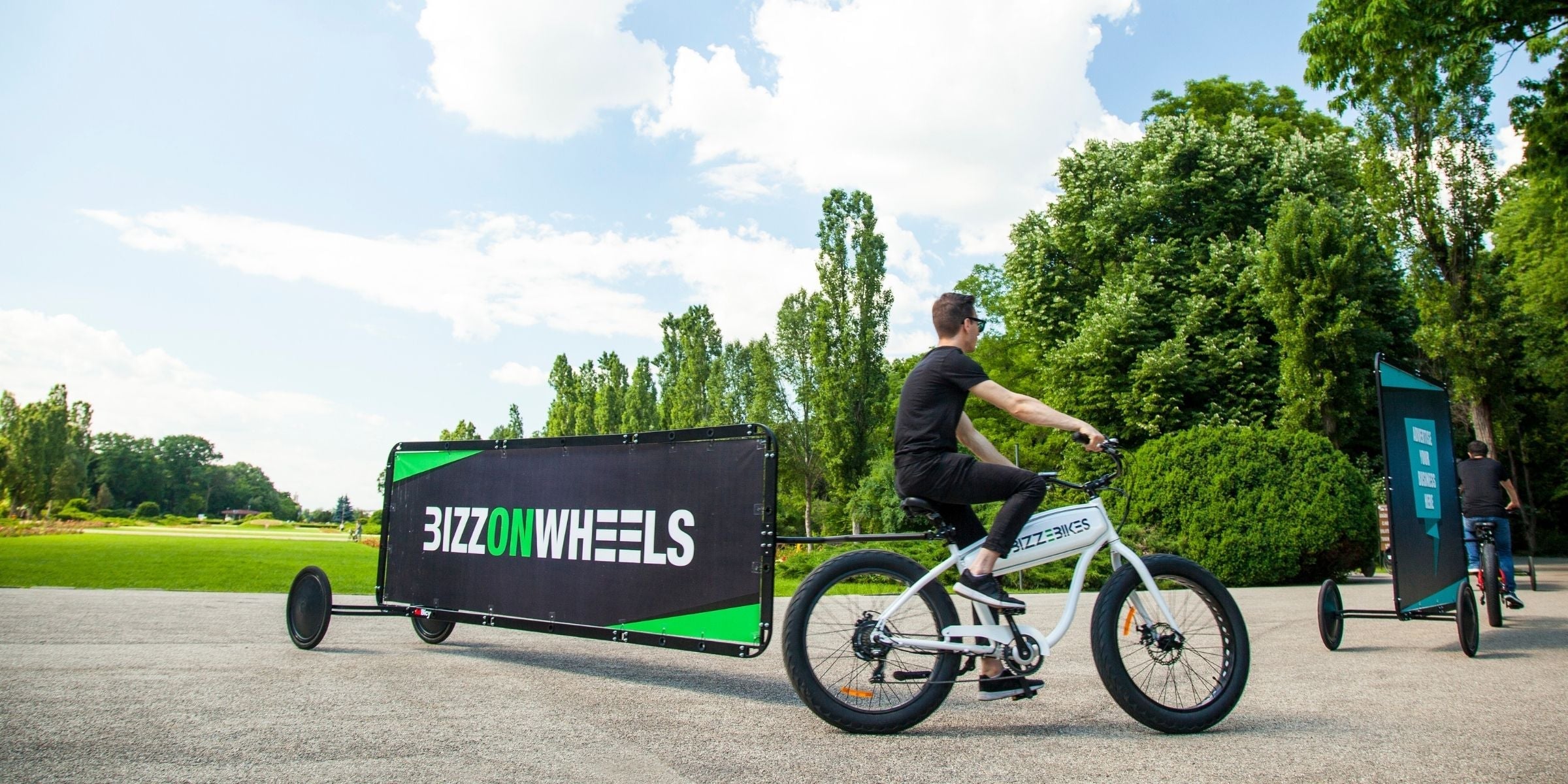
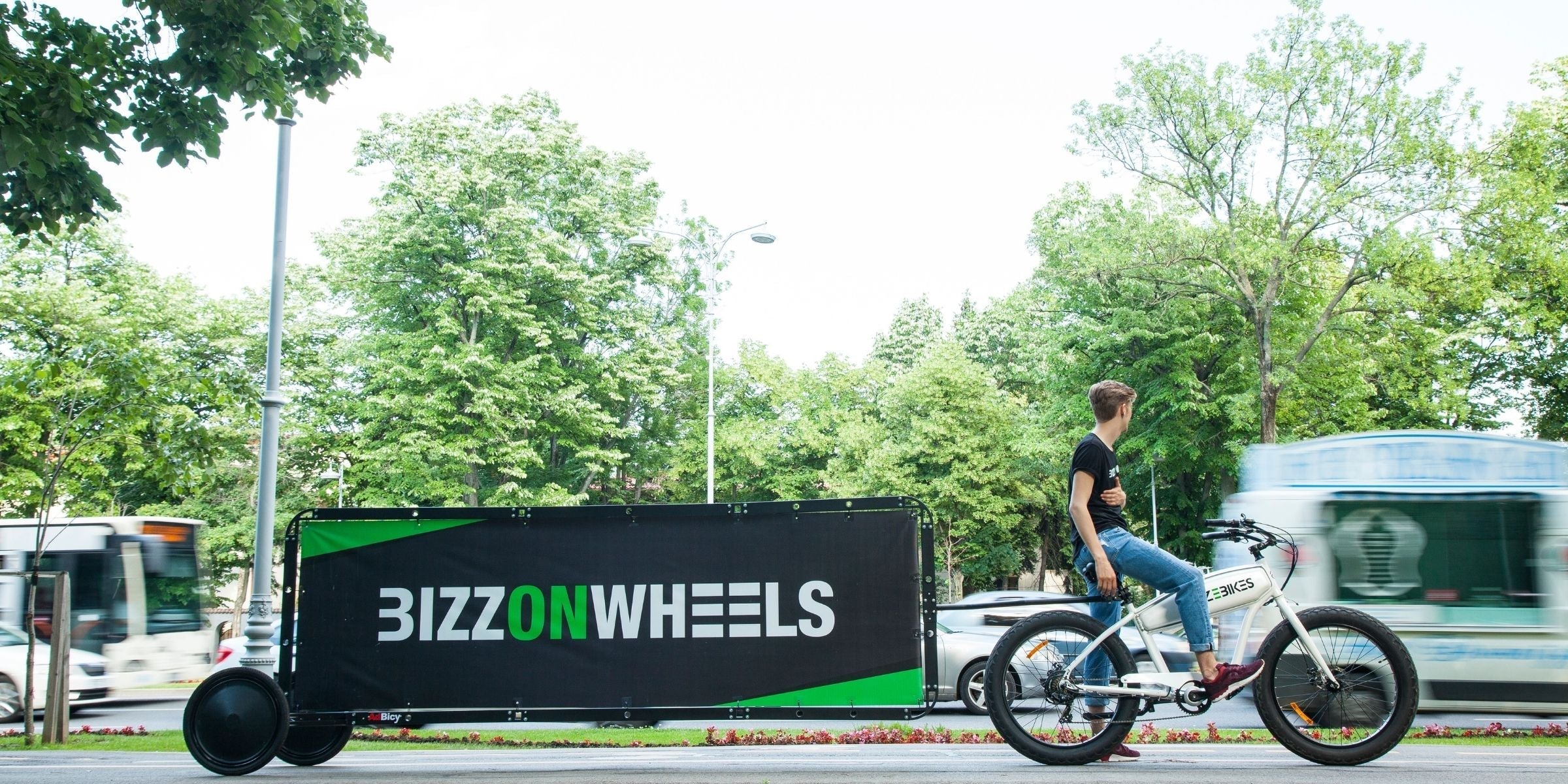
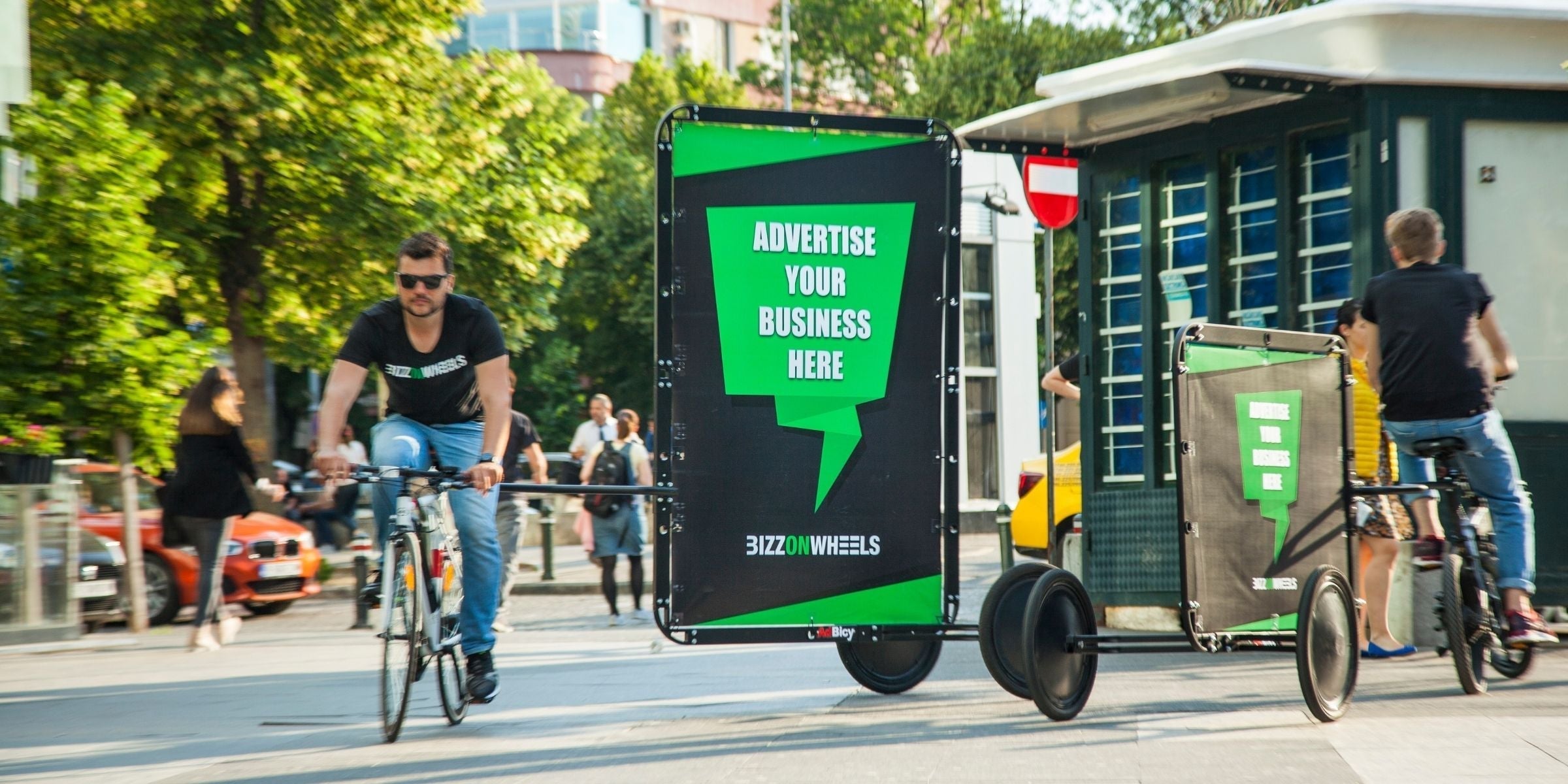
In cities packed with ads and screens competing for our attention, leaflets can seem outdated. Yet the data suggests otherwise. Out-of-home advertising remains one of the most effective channels. Studies in the UK show that about 98% of people see an OOH ad every week, and many then go on to look up the brand online. The real shift is in how leaflets are delivered. When you combine leaflet distribution with trained brand ambassadors and highly visible mobile billboards such as ad bikes, promobikes, or BizzOnWheels’ AdBicy trailers print becomes a lively, mobile, people powered media channel.

The return of mobile billboards isn’t about going back to “old-fashioned” signs. It’s part of a broader move toward flexible, physical advertising. Traditional billboards already attract plenty of attention, and research shows that around 80% of people notice OOH ads at least once a week. Digital out-of-home goes even further: a 2024 study found that 73% of people feel positively about DOOH ads, and roughly three-quarters take some action after seeing them better than many online ads that are easy to ignore. In this context, bicycle based mobile billboards also called adbikes, advertising bikes, or promobikes offer unique flexibility. They can move through pedestrian areas, event spaces, and narrow streets where regular billboards can’t reach, creating a moving display that follows the city’s flow. For brands, this mobility is more than practical; it’s a smart strategy. The message can go where people are, instead of waiting for people to come to it.

Data shows that about 79% of people will at least glance at, keep, or pass on a leaflet they receive, and typical response rates are around 4% a figure that has actually increased several times since the mid 2010s. When a leaflet includes a coupon or special offer, about half of recipients respond in some way by visiting a store, redeeming a discount, or checking a website. When trained brand ambassadors hand out these leaflets while walking or cycling with a promobike, paper becomes a conversation starter instead of “just another thing” thrown away. A flyer is no longer a silent, one way message; it becomes the result of a real human interaction eye contact, a smile, and maybe a quick explanation or a small product demo.
That’s where experiential marketing stands out. When brands send small teams of ambassadors with ad bikes and leaflets, they create a series of personal experiences across the city. Marketers call this brand activation, and it’s considered one of the best ways to build loyalty: over 85% of customers say they’re more likely to buy after participating in events or brand experiences, and nearly 90% of marketers say these campaigns increase engagement. Another study shows that around 70% of people who take part in experiential campaigns become repeat customers, turning a single encounter into a lasting relationship. When the “event” is a pop-up with promobikes ambassadors handing out samples, guiding people to a store, or encouraging sign-ups with QR codes the line between street performance and marketing blurs in a way that benefits brands.

Brand ambassadors walking alongside a mobile billboard offer something most digital ads can’t: real-time feedback. Every leaflet handed out and every short conversation works like a mini focus group. Ambassadors can report how many people asked about prices, which products drew attention, or whether a tagline worked. Agencies across Europe have used this feedback to adjust routes, creative ideas, and even product positioning during a campaign. Case studies from promobike specialists show that changing tactics “on the go” can double recall and foot traffic compared to static ads. For brands, this means investing in leaflet distribution and mobile billboards is more than visibility it’s about learning quickly. Marketing teams can adjust messages or offers almost immediately, instead of waiting for a post-campaign report.
The physical format of media matters more than many digital marketers admit. Neuroscience research on printed mail similar to door-dropped leaflets shows that areas of the brain linked to long-term memory are far more active when people handle printed material than when they watch TV ads. This helps explain why a simple flyer handed out by a person, right after someone sees the same ad on an AdBicy mobile billboard, can have a big impact. The large promobike grabs attention from afar, while the leaflet helps the message stick and goes home in a pocket or bag. Together they create a multi-sensory experience: you see the message, hear it explained, touch it, and take it with you. In a world of quick impressions and endless scrolling, that kind of durable contact is rare.
Friendly staff show that a brand is willing to meet people where they are, instead of bombarding them with content from a faceless algorithmic feed. As a category, OOH already has a trust advantage over many online formats, with consumers viewing outdoor and DOOH ads as more credible and less intrusive than digital pop-ups or pre-rolls. When that OOH presence is truly human-powered silent advertising e-bikes gliding through pedestrian streets, ambassadors talking instead of shouting through a megaphone the effect is disarming. Shoppers don’t feel “attacked”; they feel approached. Over time, this repeated, polite presence builds familiarity and lowers the psychological barrier to trying something new.
For brands facing the challenges of omnichannel marketing, using mobile billboards, brand ambassadors, and leaflet distribution can connect offline and online experiences. QR codes on flyers can send people to landing pages, loyalty programs, or app downloads. Unique URLs or promo codes make it easy to track which locations or events perform best. This matters because modern OOH isn’t separate from digital: almost two-thirds of people say they searched online after seeing an outdoor ad, and many visit a brand’s website within minutes. A well planned adbikes campaign can spark these digital interactions, supporting retargeting, CRM, and social proof long after the bikes are gone.

Brands like BizzOnWheels, which offer promobike platforms and billboard trailers, are leading these trends. Their platforms do more than carry ads they can host full street experiences, with sampling counters, product storage, and built-in power for lights and digital screens. For marketers, this means it’s no longer just a choice between a static billboard and a stack of flyers. It’s a chance to create a small but powerful fleet of moving touchpoints that blends the energy of experiential marketing with the measurability of performance media. In busy cities where attention is hard to win, the brands that stand out are those willing to put real people on real streets, using well-designed promobikes and leaflets handed out directly not simply left behind. The message isn’t just seen it’s remembered, shared, and acted on.
References
https://oneday.agency/blog/5-stats-about-out-of-home-advertising
https://marketingltb.com/blog/statistics/out-of-home-ooh-advertising-statistics/
https://www.vistarmedia.com/blog/dooh-vs-static-billboards
https://oaaa.org/news/new-study-finds-digital-out-of-home-advertising-surpasses-other-media-in-driving-favorability-and-action-among-consumers/
https://dma.org.uk/article/what-is-the-response-rate-from-leaflet-distribution-revised-edition
https://leafletdrop.co.uk/insights-and-guides/leaflet-distribution-effectiveness
https://cheetahdistribution.com/direct-marketing-leaflet-distribution-facts-and-stats/
https://www.ims-group.co.uk/what-is-the-leaflet-distribution-response-rate/
https://www.limelightplatform.com/blog/experiential-marketing-statistics
https://products.seeker.io/blog/18-stats-about-experiential-marketing-in-2024/
https://flamapp.ai/blog/experiential-marketing-trends
https://promobike.uk/
https://promobikes.eu/promobikes/
https://www.promobikes.co.uk/casestudies/
https://massivemediainc.com/bicycle-billboard/
https://bizzonwheels.com/nl/advertising-bike-billboards-are-more-effective-than-static-ones/